Hedjaz History
The Railway
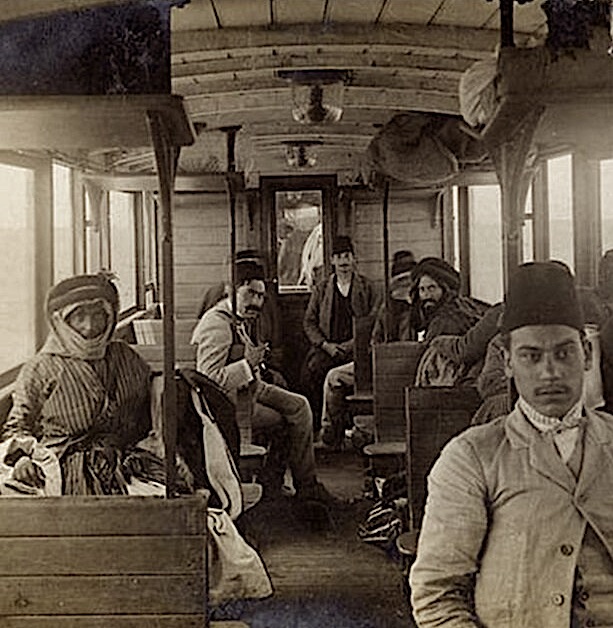
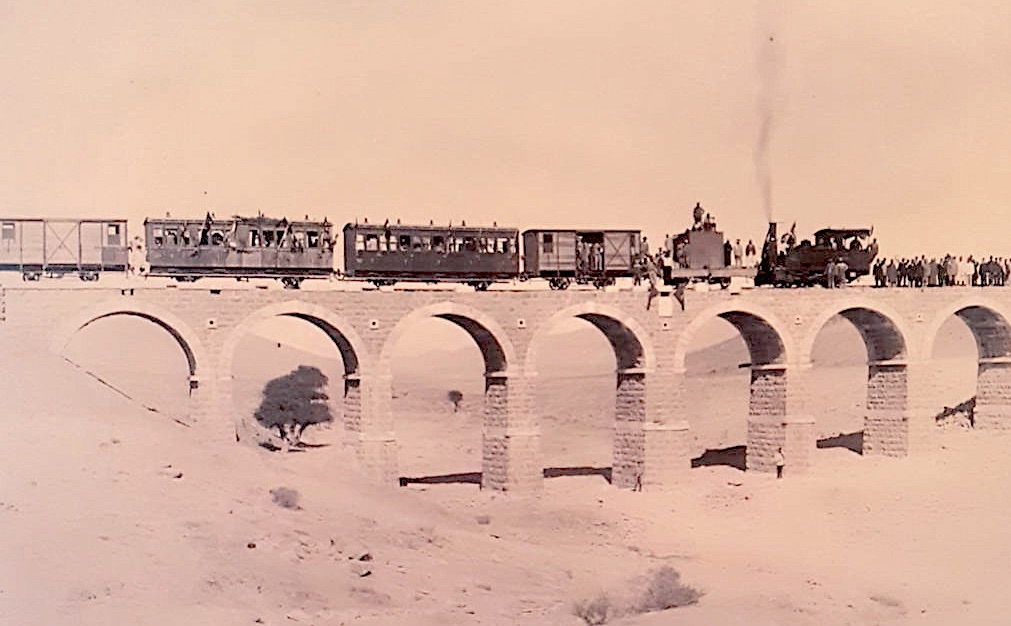
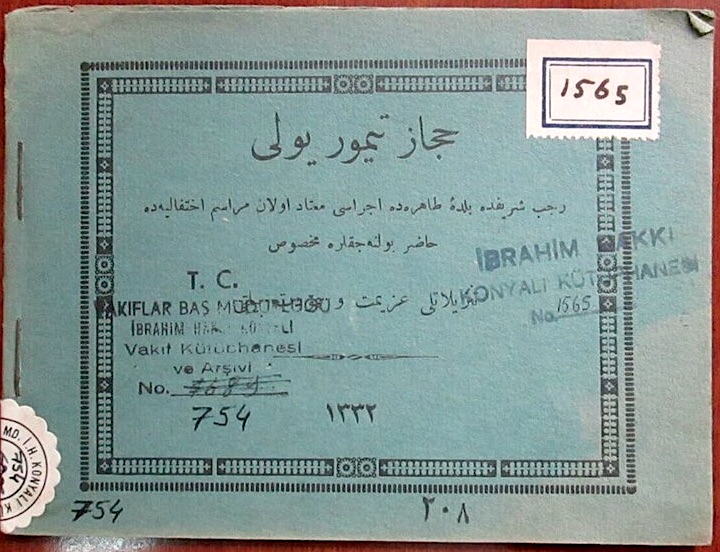
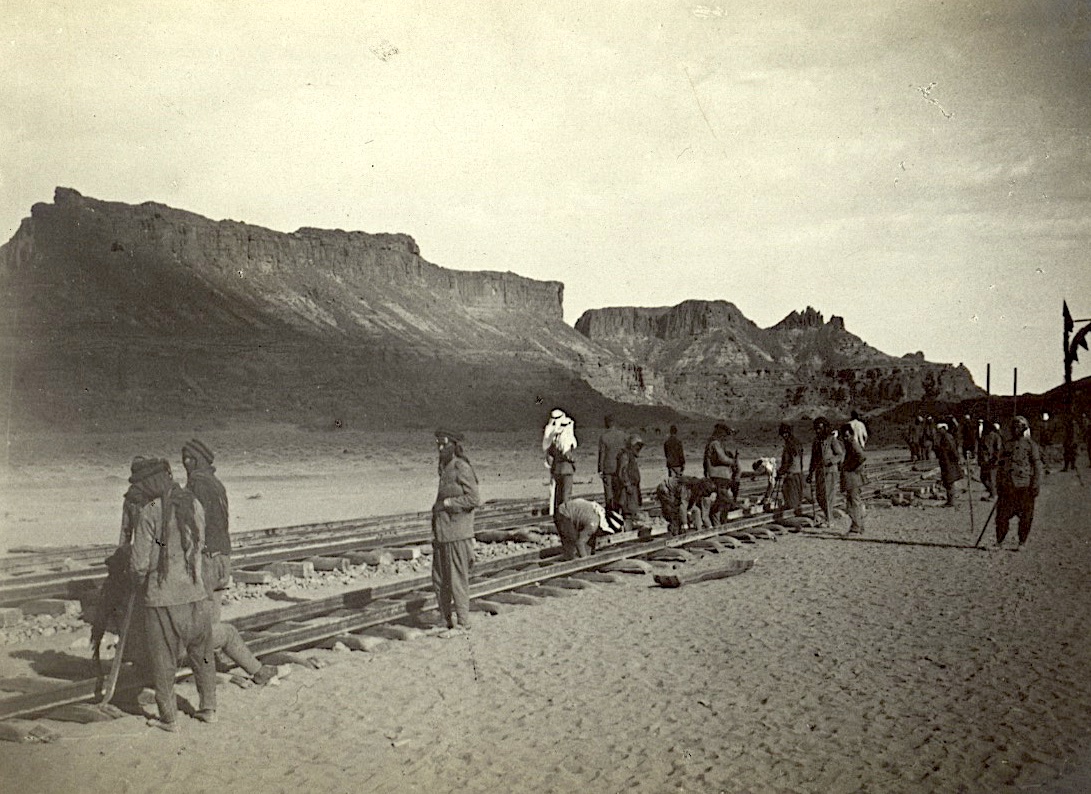
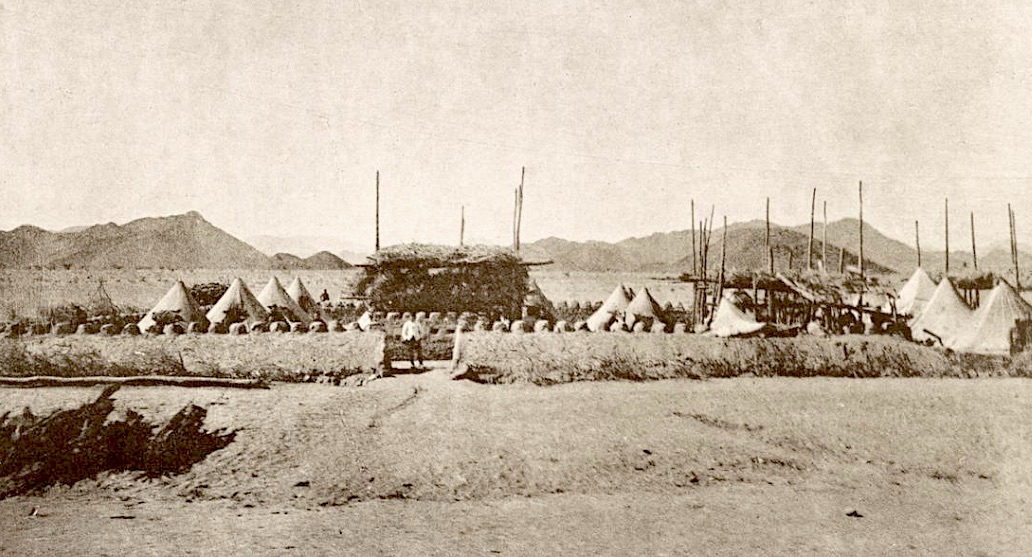
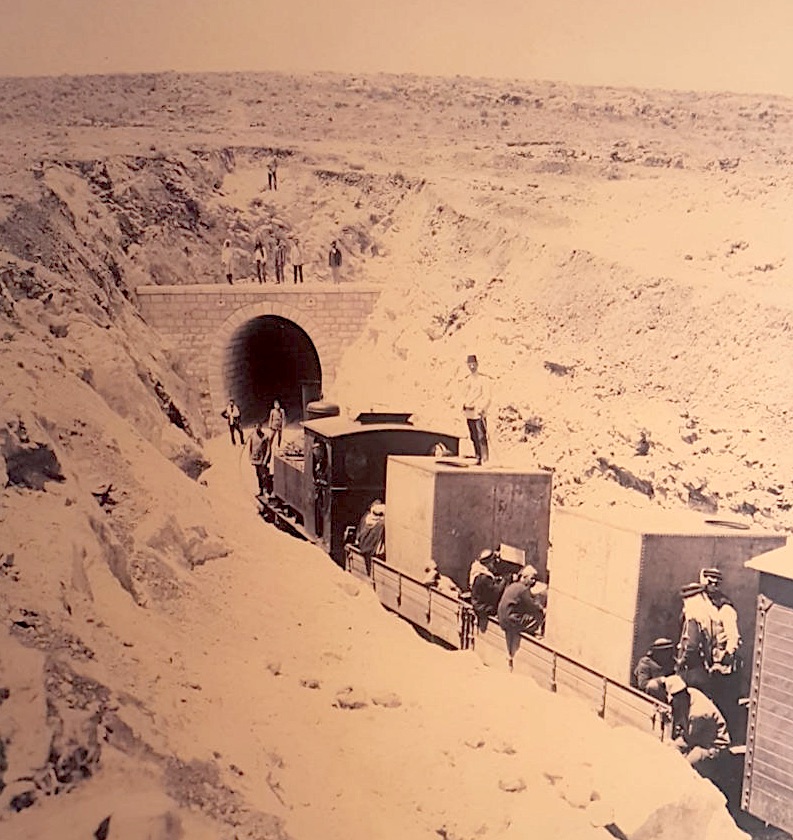
The original concept of the railway was to provide a link between Constantinople and the Holy City of Mecca, in order to facilitate the Hajj and to expand Turkey's influence, both political and economic in the Arabian Peninsula. Many Hajj Pilgrims died enroute to Mecca owing to the rough terrain, time taken and attacks by Arab tribesmen. It was a dangerous journey taking many weeks. The railway would solve this problem and it became known as the Pilgrim's Railway.
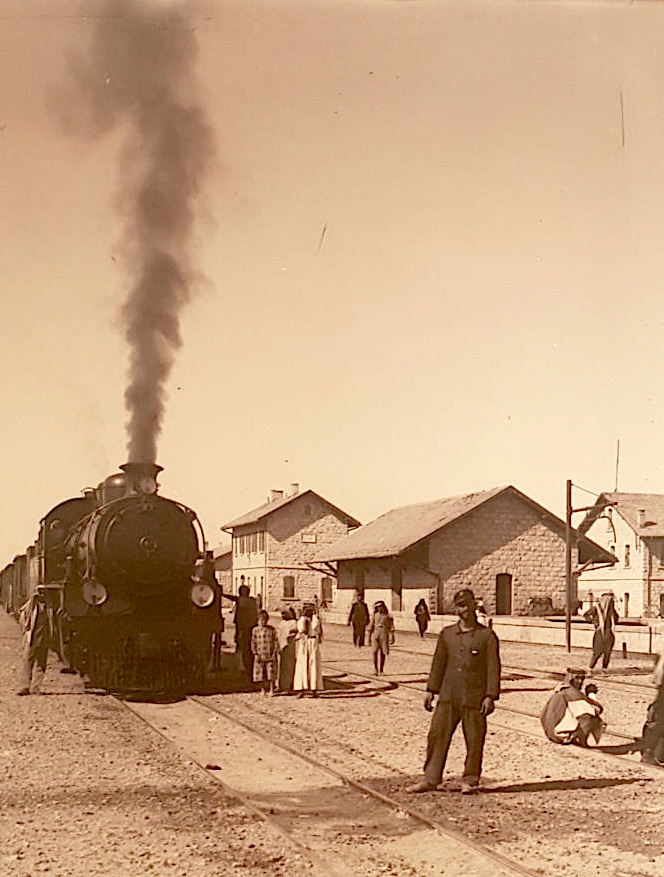
The section from Damascus (Cadem) to Medina was opened in 1908.
The section from Damascus (Cadem) to Medina was opened in 1908.
The start of WW1 halted further development of the line and it was not long before Turkish soldiers mingled with Hajj Pilgrims and the importance of a supply line came to the fore.
It was though an Achilles heel, which did not escape the minds of those tasked with driving the Turks back. Lawrence was not alone in realising that if the line could be disrupted in any way, it would take time and resources away from the war effort.
It was though an Achilles heel, which did not escape the minds of those tasked with driving the Turks back. Lawrence was not alone in realising that if the line could be disrupted in any way, it would take time and resources away from the war effort.
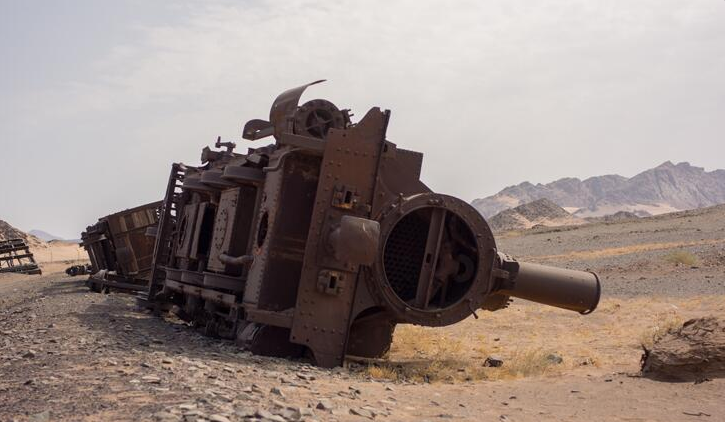
Lawrence with his Arab Irregulars and other British personnel that included an armoured car unit and air support; set out to cause the maximum disruption to the line as they could.
Read more..
Railway Images
View more..
Geographical Region
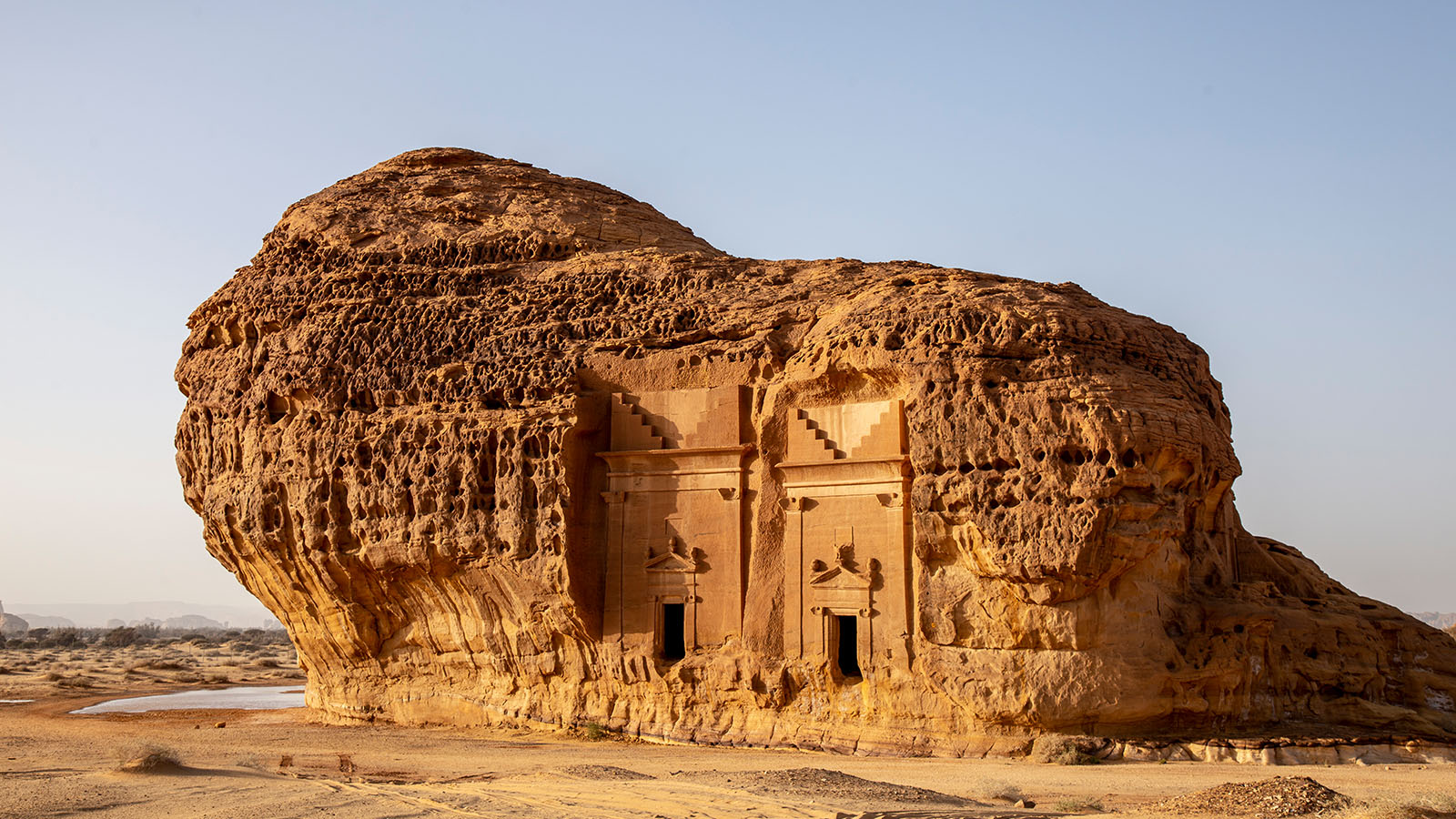
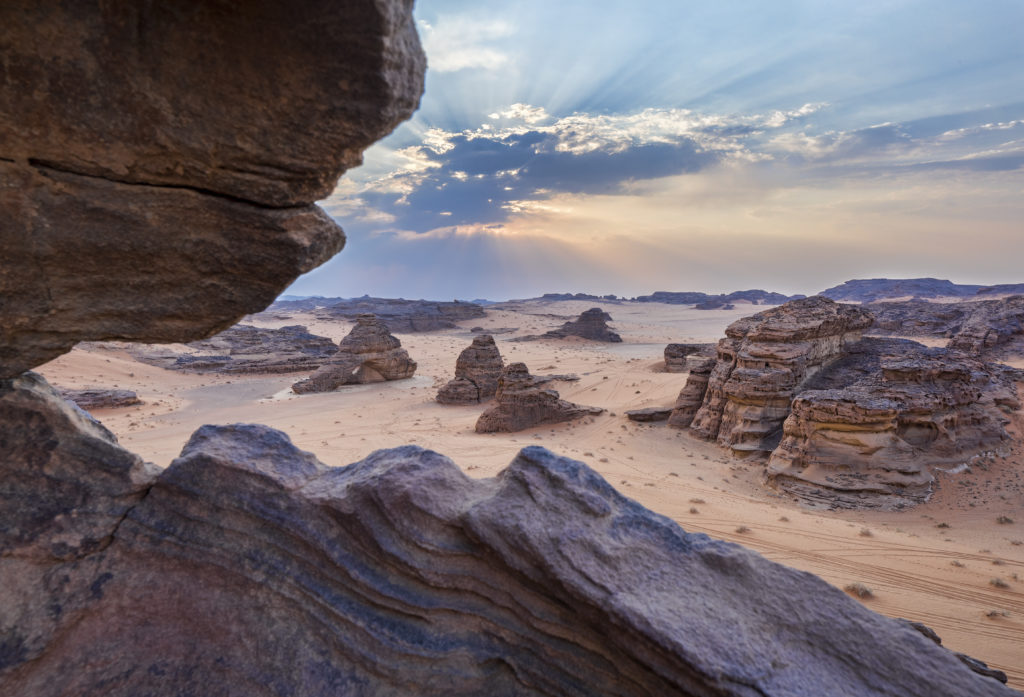
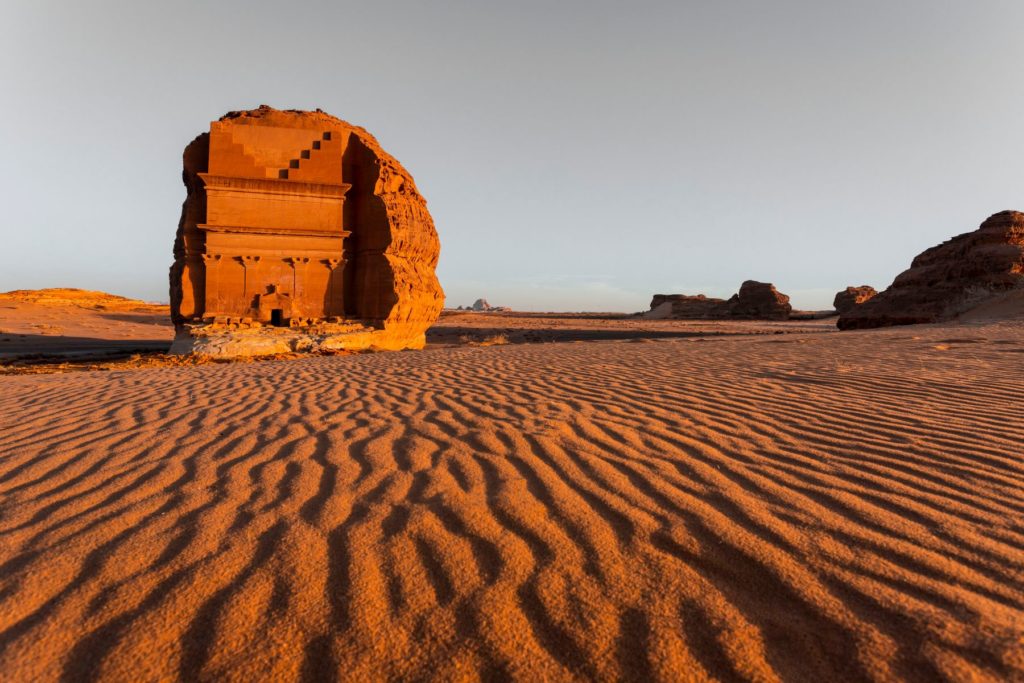
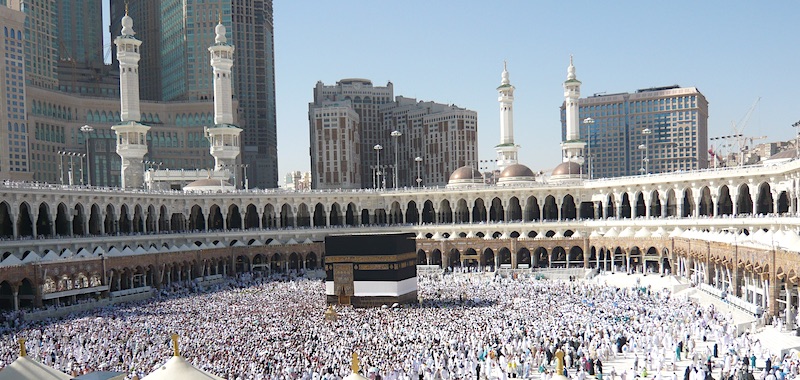
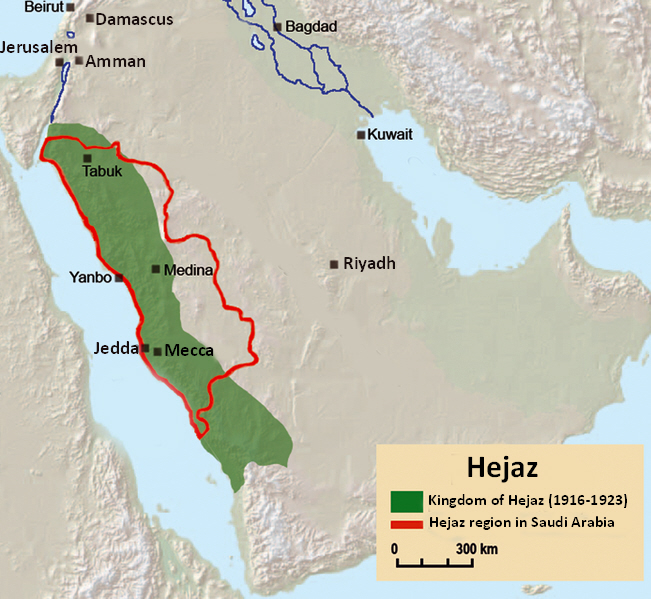
The Hedjaz has long been a geo-political region. It means to separate in Arabic. In this case the lands to the East, Najd and the land to the West, Tihamah. To the North, Jordan. It is also significant in that it has within the region the two most holiest cities in Islam, Medina and Mecca. The largest city is Jeddah.
Hedjaz, Hejaz or Hijaz
All of the above spellings are used depending on which translation is used. Since the overthrow of the Ottoman Empire place names and the subsequent spelling in the translation from the Arabic has, and can, cause confusion. Place names mentioned by Lawrence, even in his own notes can differ, let alone to those of today.
It has been well documented that his publishers and those who proof read, commentated on the lack of conformity when using place names.
It has been well documented that his publishers and those who proof read, commentated on the lack of conformity when using place names.
Read more..
The Ottomans
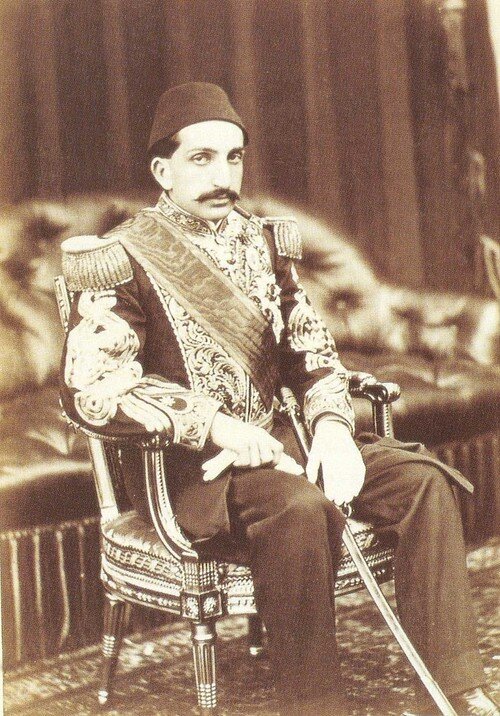
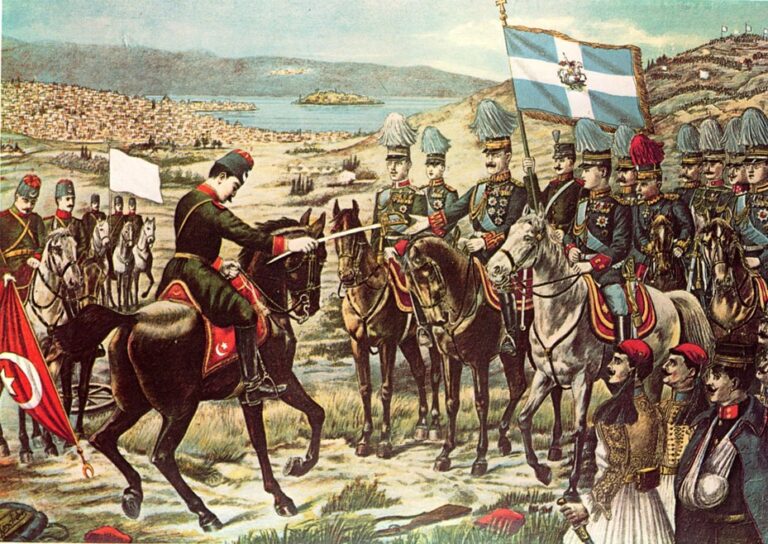
The Turkish Ottoman Empire ruled parts of South Eastern Europe and in particular the Arabian Peninsula for over 400 years. It follows that the laws and how these areas were governed were Turkish, something the Arabs despised. The Arabs nevertheless achieved high ranks in the armies but between themselves found it hard to agree on a united front. This stemmed of course from their tribal origins. These traits were not lost on the Turks nor indeed the British. Up until WW1 Britain had cordial relations with Turkey, however, the internal politics of Turkey at the time very soon aligned them with Germany.
This not only threatened British interests in the area but was seen as a possible way of uniting the Arab Nations should the war in Europe and now the Middle East have a favourable outcome for the British.
This theatre of war was considered to be, and was called 'a side show' by many in the upper circles of the British military but as events were to prove the Ottoman Empire backed by German know how, proved to be no easy task for the British.
In less than a year's time scale Britain was suffer its worst military retreat in its history, at Gallipoli. Less than six months later in Mesopotamia at Kut Al Amara, following the Battle of Ctesiphon near Baghdad, British forces drew back to consolidate. Under the Command of General Townshend, who was under pressure from the Command in India, extended his supply lines too much and promised re-enforcements never materialised in time. It resulted in a siege lasting nearly six months. Negotiations by Aubrey Herbert and T. E. Lawrence, sent out to Kut from the Arab Bureau in Cairo, failed. General Townshend was forced to surrender.
An estimated 30,000 British/Indian troops died or were wounded during the siege, only a third of those who surrended were to survive imprisonment. Contrary to assurances made to Herbert and Lawrence many of the Arab towns folk of Kut were executed.
This theatre of war was considered to be, and was called 'a side show' by many in the upper circles of the British military but as events were to prove the Ottoman Empire backed by German know how, proved to be no easy task for the British.
In less than a year's time scale Britain was suffer its worst military retreat in its history, at Gallipoli. Less than six months later in Mesopotamia at Kut Al Amara, following the Battle of Ctesiphon near Baghdad, British forces drew back to consolidate. Under the Command of General Townshend, who was under pressure from the Command in India, extended his supply lines too much and promised re-enforcements never materialised in time. It resulted in a siege lasting nearly six months. Negotiations by Aubrey Herbert and T. E. Lawrence, sent out to Kut from the Arab Bureau in Cairo, failed. General Townshend was forced to surrender.
An estimated 30,000 British/Indian troops died or were wounded during the siege, only a third of those who surrended were to survive imprisonment. Contrary to assurances made to Herbert and Lawrence many of the Arab towns folk of Kut were executed.
Read more..